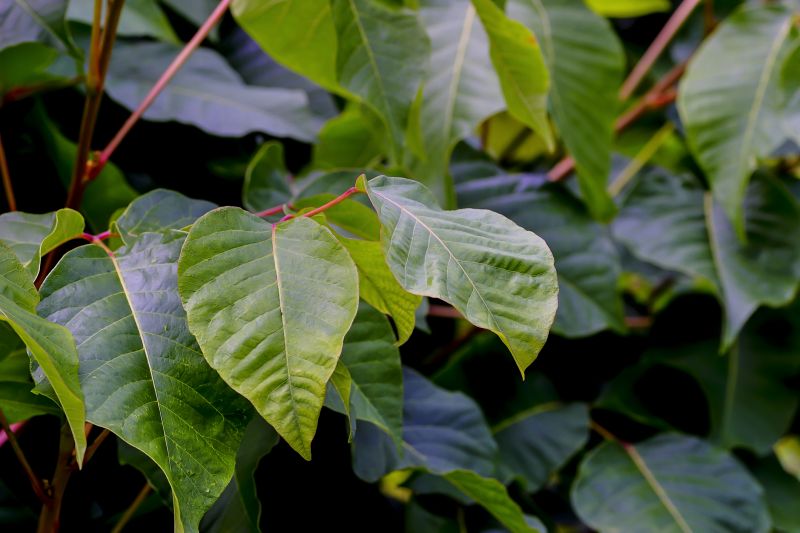
Hemlock Removal in Lancaster County, PA
Hemlock removal services involve the careful elimination of hemlock trees from residential properties. This process is often requested when hemlocks pose safety concerns, are infected with pests or disease, or when property owners want to clear space for landscaping or development projects. The scope of these projects can range from removing a single problematic tree to managing multiple trees across a large area. Property owners typically want to understand the methods used for removal, the potential impact on the landscape, and any necessary follow-up care to ensure the health of surrounding plants and trees.
Before requesting hemlock removal, property owners should consider factors such as the size and location of the trees, the reason for removal, and any local regulations or restrictions that may apply. It is also helpful to understand the potential effects on the property’s aesthetic and value, as well as the disposal or recycling options for the removed wood. Clear communication about these aspects can ensure the project aligns with property goals and minimizes disruptions during the removal process.
Many property owners in Lancaster County, PA look into Hemlock Removal for repairs, replacements, upgrades, and appearance-related improvements.
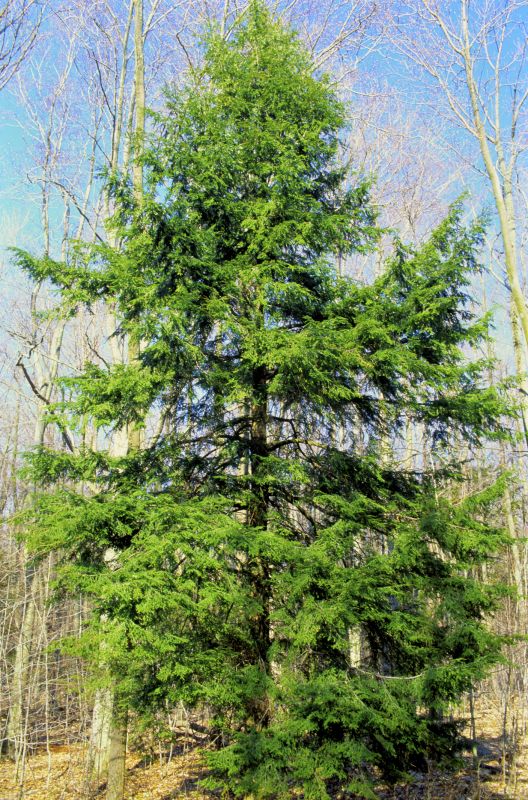
Reasons For Hemlock Removal
Removing damaged or diseased hemlocks helps protect surrounding trees and maintains landscape health.
Benefits Of Hemlock Removal
Clearing out overgrown or hazardous hemlocks enhances safety and improves property aesthetics.
Considerations Before Removal
Assessing the size, location, and health of hemlocks ensures proper removal and minimizes impact on your property.
Hemlock Removal in Lancaster County, PA
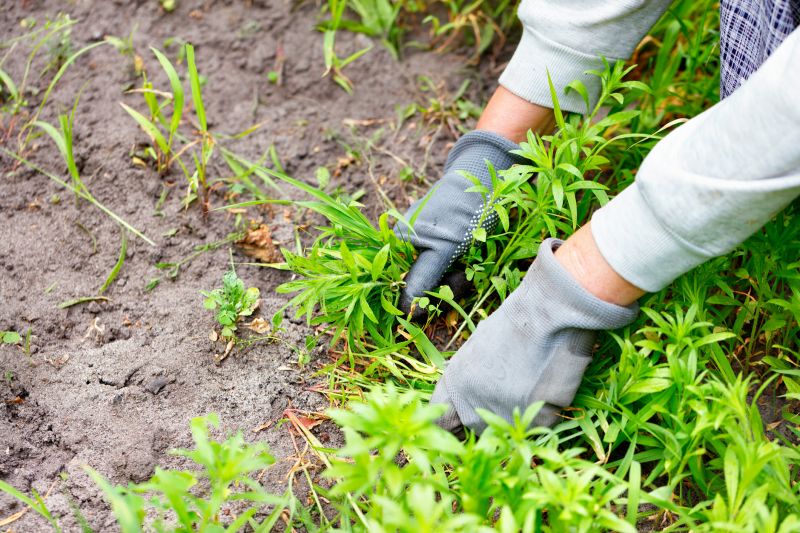
Hemlock removal services involve the careful elimination of hemlock trees from residential properties. This process is often requested when hemlocks pose safety concerns, are infected with pests or disease, or when property owners want to clear space for landscaping or development projects. The scope of these projects can range from removing a single problematic tree to managing multiple trees across a large area. Property owners typically want to understand the methods used for removal, the potential impact on the landscape, and any necessary follow-up care to ensure the health of surrounding plants and trees.
Before requesting hemlock removal, property owners should consider factors such as the size and location of the trees, the reason for removal, and any local regulations or restrictions that may apply. It is also helpful to understand the potential effects on the property’s aesthetic and value, as well as the disposal or recycling options for the removed wood. Clear communication about these aspects can ensure the project aligns with property goals and minimizes disruptions during the removal process.
Many property owners in Lancaster County, PA look into Hemlock Removal for repairs, replacements, upgrades, and appearance-related improvements.
Common Hemlock Removal Jobs
Hemlock Tree Removal - safely removing hazardous or overgrown hemlock trees from residential properties.
Hemlock Thinning - reducing tree density to improve health and prevent overcrowding.
Stump Grinding - eliminating remaining tree stumps after hemlock removal to clear the landscape.
Hazard Assessment - evaluating trees for signs of disease or instability that may require removal.
Selective Cutting - removing specific hemlocks to promote the growth of desirable trees.
Emergency Hemlock Removal - promptly addressing fallen or damaged trees threatening safety or property.
Hemlock Removal Questions
Why should Hemlock trees be removed? Removal is recommended when trees pose safety risks, are diseased, or interfere with property development or landscaping plans.
What signs indicate a Hemlock tree needs removal? Signs include significant dieback, pest infestations, root instability, or structural damage that affects safety.
Is Hemlock removal necessary for diseased trees? Yes, removing diseased Hemlocks can prevent the spread of pests and infections to other trees and landscape features.
What are common reasons for Hemlock removal projects? Projects often involve safety concerns, disease management, clearance for construction, or improving overall landscape health.
Request Hemlock Removal in Lancaster County, PA
Use the quote form on this page to share the basics of your project and request more information for the type of work you need.